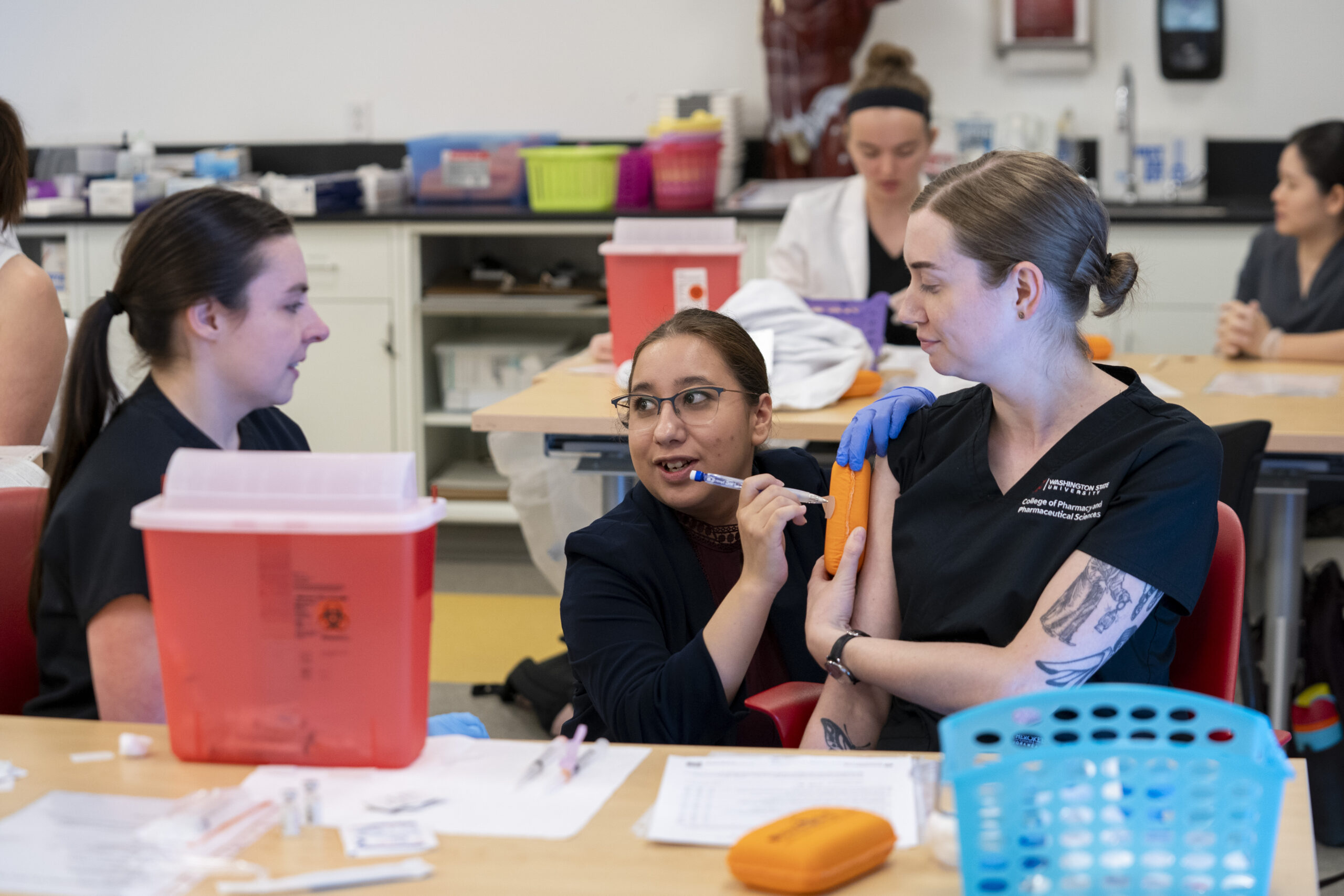
Fred Meyer Resident guides second-year pharmacy students in vaccination technique

Residency & Fellowship Programs

Many students pursue residency and fellowship opportunities directly following their graduation. Others intentionally take a year or two to practice prior to applying. Everyone’s path is different depending on their career goals.

Residency vs. Fellowship, What’s the Difference?

A residency is practice based, with a focus on direct patient care. Fellowships are more research based or emphasize association management. These fellowships often have associations with universities and the pharmaceutical industry. Some fellowships include academic credit and lead to a Master’s degree in business, public health, or others. 

Finding the Right Path for You

When deciding which post-graduate opportunity is best to pursue, reflect on your long-term career goals and what practice setting you aspire to work in. You can also ask thoughtful questions to the residents and preceptors you interact with while on rotation, to help determine what path might be the best for you. People love sharing their own experiences, give them an opportunity to tell you all about themselves and their path. 

There are several directories you can use to explore your fellowship and residency options. Many programs also hold information sessions in the fall where you can learn more about programs and get tips for applying. Look for details about informational sessions on the program’s website, reach out to their program representatives, and/or explore their social media. 

WSU Programs

Fellowship Programs

Summer Research Fellowships
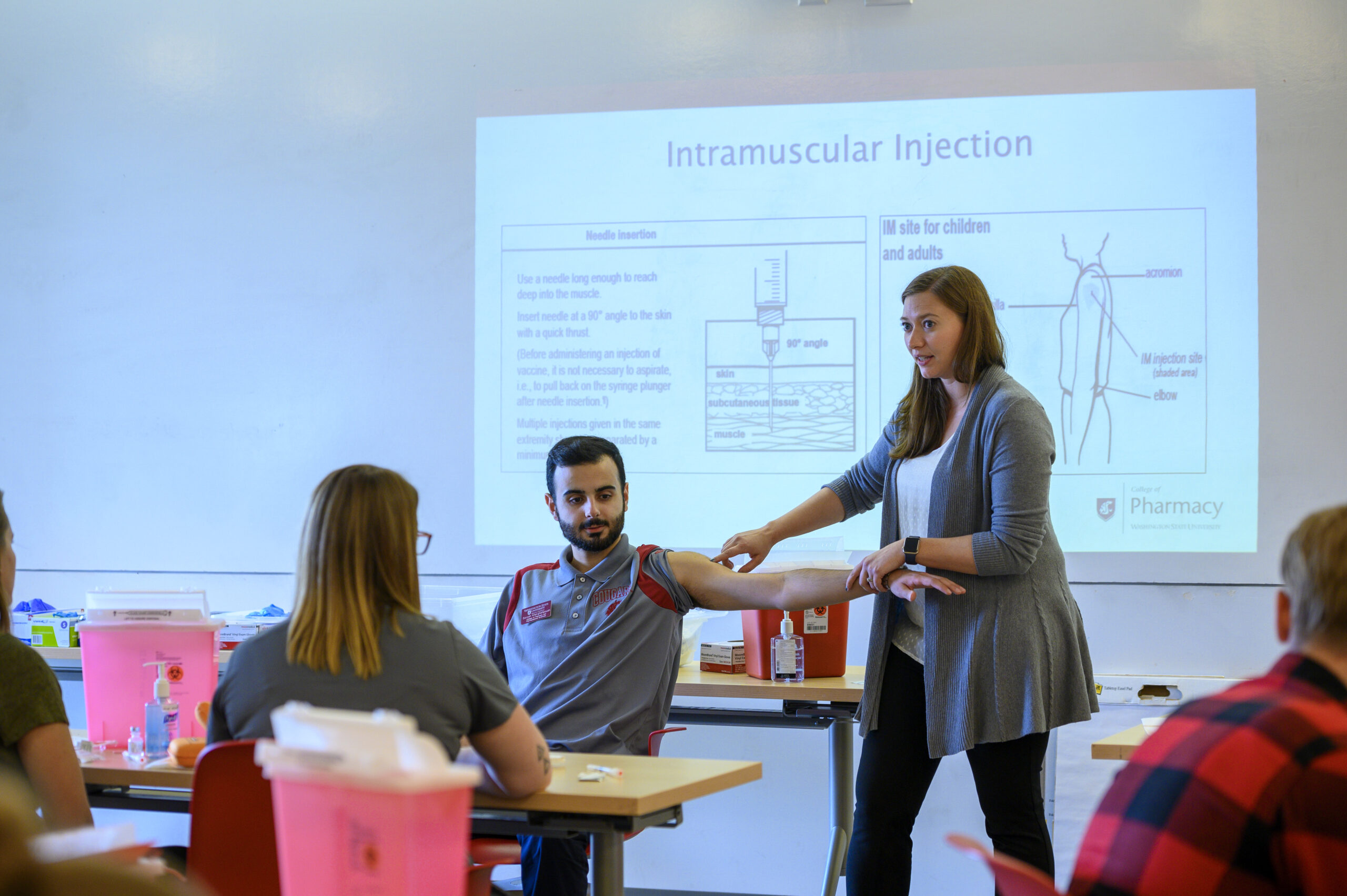
The Summer Research Fellowship program at Washington State University provides an excellent hands-on research experience for undergraduate and PharmD students who have expressed an interest in pursuing research careers in pharmaceutical, biomedical, or health sciences.

Pharmacy Practice Research Fellowship

The Pharmacy Practice Research Fellowship is a two-year post-graduate training opportunity designed to assist the fellow in becoming specialized in the area of pharmacy practice research. The program provides opportunities to engage in community practice research and gain teaching experience.

Pharmacy Residency Programs

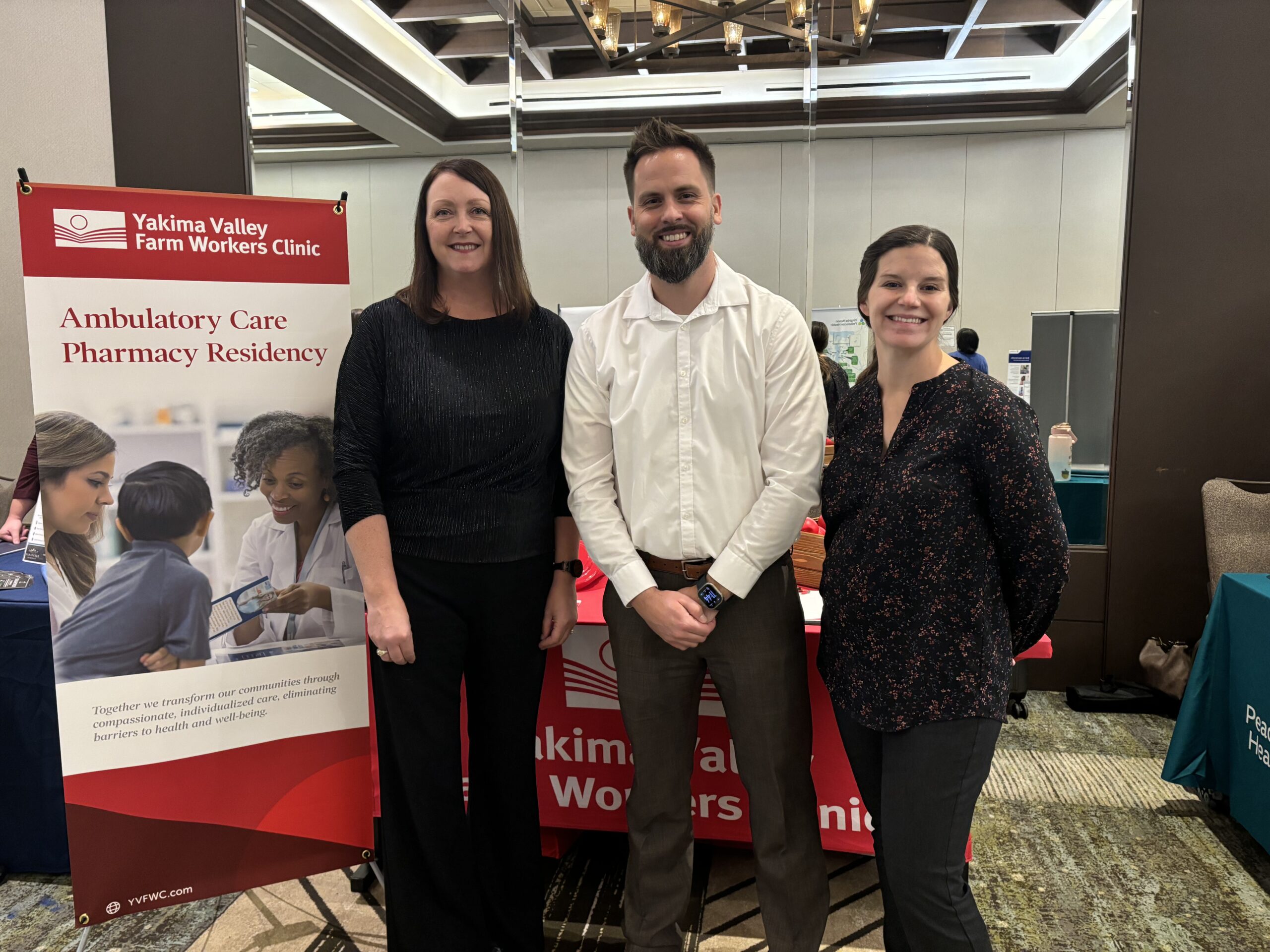
Ambulatory Care Pharmacy Residency
Yakima Valley Farm Workers Clinic provides new pharmacists an opportunity to expand their skills with a diverse clinical care team. Built in partnership with the College of Pharmacy and Pharmaceutical Sciences, this non-accredited residency serves diverse patient populations with the development of chronic disease management solutions in Spokane and Toppenish, Washington. Residents also work closely with pharmacy and clinic leadership on improvements to clinical patient care systems.

Cascadia Pharmacy Group Residencies

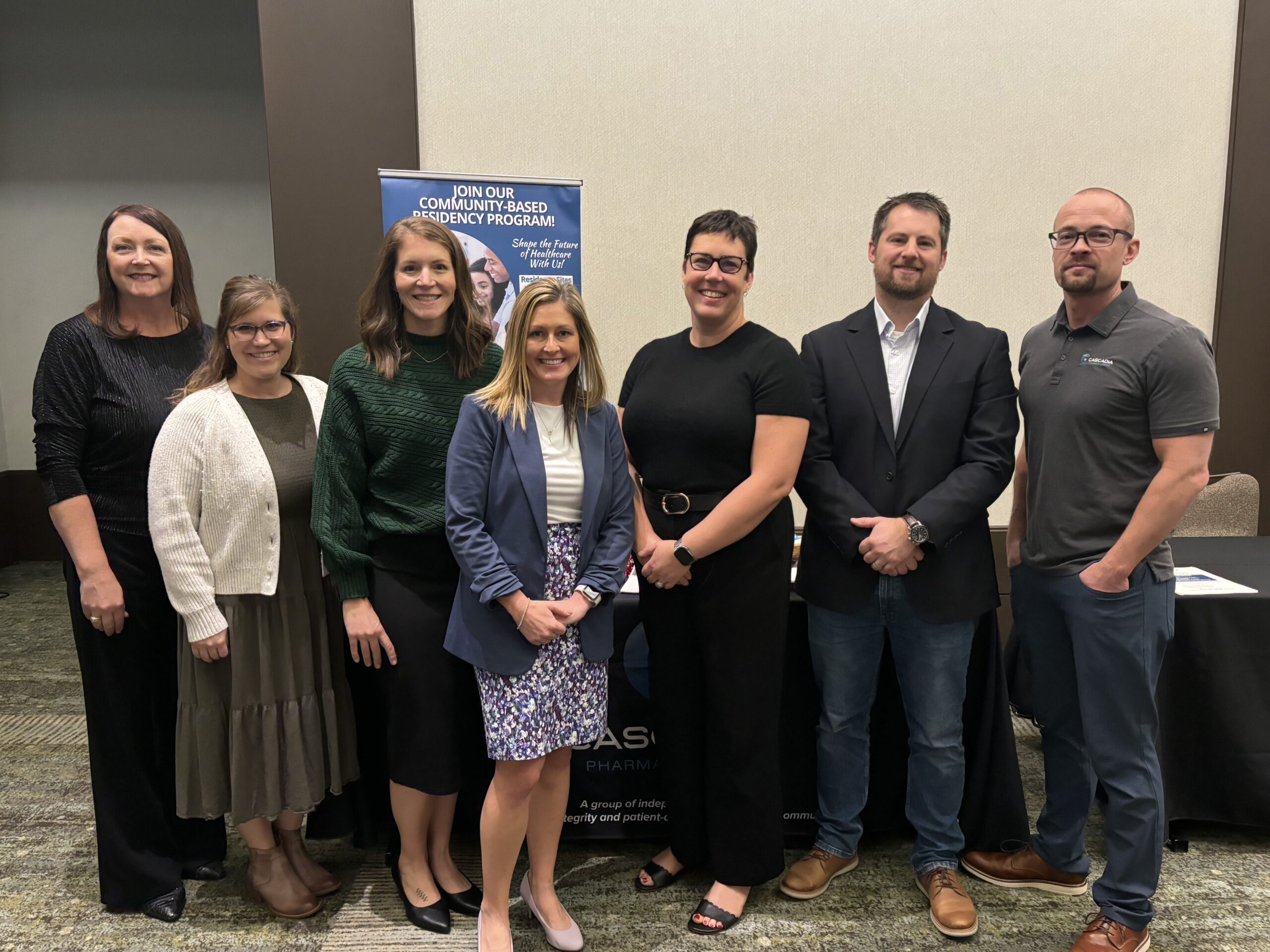
This network of Pacific Northwest pharmacies is committed to advancing accessible, personalized care. They empower independent pharmacy owners to serve their communities with top-tier service. Their non-accredited, WSU-affiliated residencies foster clinically skilled pharmacists to innovate in diverse, patient-centered environments. There are three programs, located in Spokane, Centralia, and Goldendale, Washington.

Fred Meyer Residencies

The Fred Meyer Residency program takes place in a corporate community/ambulatory care pharmacy setting. In addition, residents participate in a series of interdisciplinary experiences at The Vancouver Clinic and WSU. There is an emphasis on the development, marketing, implementation, and delivery of patient care services in the evolving realm of community practice.

Geriatric Pharmacy Team Residency

The college has partnered with Providence Visiting Nurses Association, a home health care agency, to offer a residency opportunity. The program is designed for the resident to develop expertise in medication management of the ambulatory geriatric population and to gain substantial academic-related experiences.

Specialty Residency in Drug Information Practice & Academia

This residency allows new pharmacists to gain expertise in drug information and teaching. Upon completion, residents are able to meet challenges in pharmacy practice including the ability to promote optimal drug therapy; educate of other health care professionals and patients on drug-related topics; and balance practice and academic responsibilities.

Psychiatric Pharmacy Residency

This residency provides training to formulate comprehensive and integrated care plans for patients with behavioral health and neurologic disorders. You will gain clinical knowledge through direct care of adult and pediatric patients. Upon completion, you will be prepared for board certification in psychiatric pharmacy and for psychiatric clinical pharmacy roles.

Resident Teaching Certificate

WSU’s resident teaching certificate grants an opportunity for pharmacy residents to enhance their preceptor knowledge by engaging in an academic environment while working with WSU faculty to apply specific patient care related skills and obtaining experience in providing education to WSU pharmacy students. With resident site approval, residents are appointed as academic affiliates upon acceptance to the program and will have opportunities to teach in the clinical and classroom setting, including the Applied Patient Care (APC) course.

Residents are encouraged to participate in experiential education activities through serving as a preceptor for student pharmacists at health care events and pharmacy sites. This opportunity also allows residents to participate in a variety of WSU-related development programs such as continuing education, training, and workshops.